

















Understanding your take-home pay
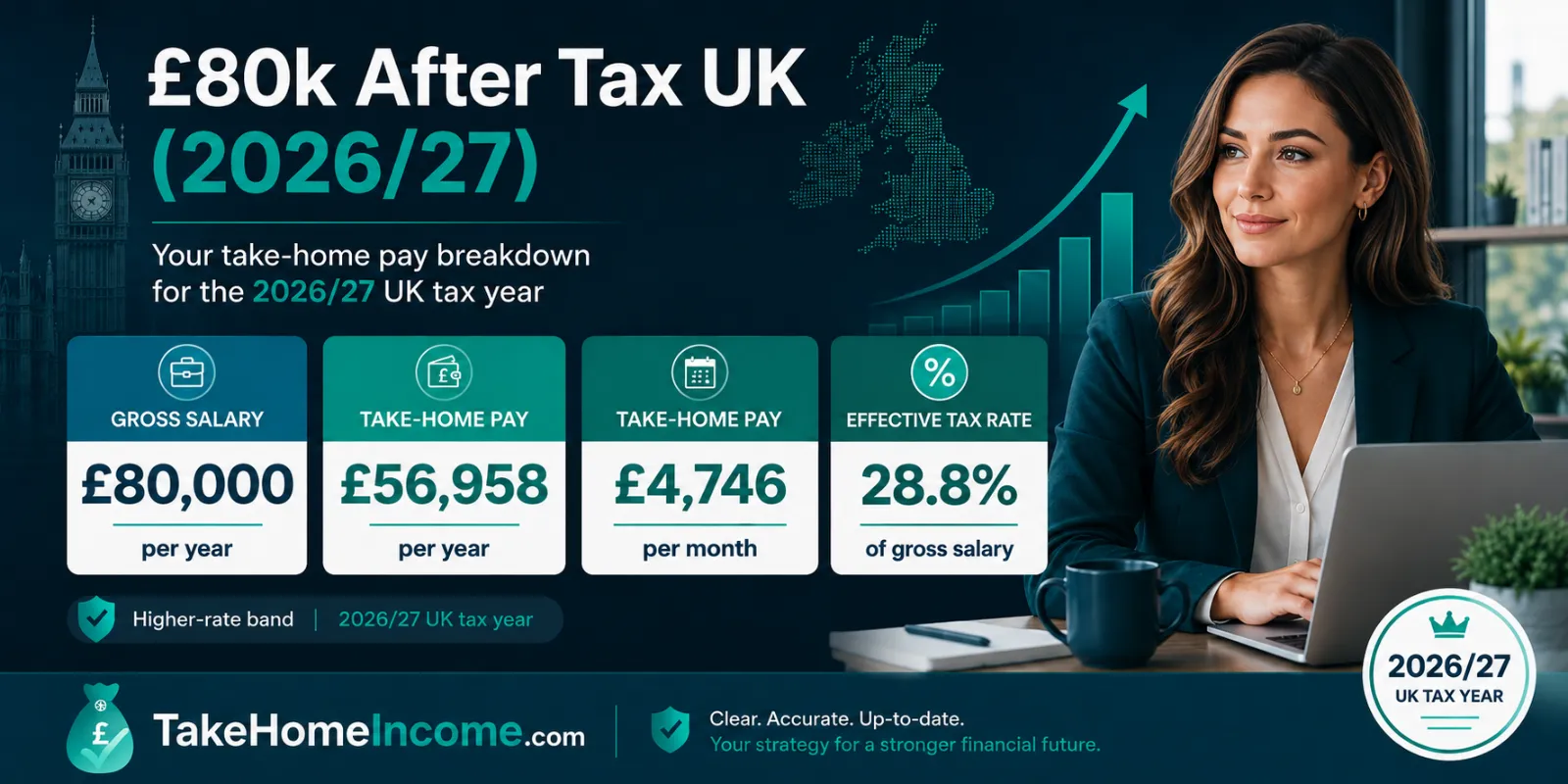
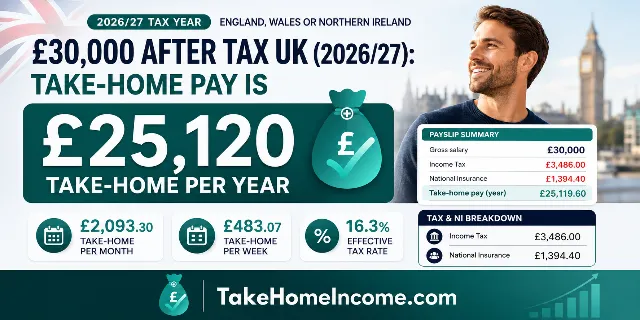
Your gross salary is the headline figure in your contract, but it is almost never what lands in your bank account. Between the two sits a wedge of income tax, social security, pension and other contributions that varies enormously from country to country. Two people earning the same headline salary can keep different amounts depending on local tax bands, social contributions, credits and family rules. Knowing your estimated net pay, not only the gross, is what lets you budget, compare job offers, negotiate a raise or plan a move abroad with your eyes open.
How TakeHomeIncome calculates your net pay
Every calculator on this site is built for one country's tax system and checked against that country's official tax authority, HMRC and the IRS, the ATO and the CRA, the Belastingdienst, Agenzia delle Entrate, Skatteverket, Skat, the FPS Finance and more. We reproduce the actual method each government uses: the progressive tax bands, the social-security rates and ceilings, the personal allowances and tax credits, regional and municipal surcharges, and the country-specific reliefs that most simple calculators skip. Where we differ from other tools, it is usually because we include a credit or deduction they leave out, and we show our working so you can see exactly where each part of the estimate comes from.
Gross to net, and net to gross
Start with just your salary for a quick answer, or open the advanced options for pensions, student loans, tax classes, family status, children, expat rulings and the other levers that change your result. Every calculator also runs in reverse: tell it the take-home you want and it works out the gross salary you would need to reach it, which is handy when you are negotiating a package or comparing an offer quoted as a net figure.
Coverage and accuracy
We currently cover 19 countries across Europe, North America, Asia and the Pacific. Each calculator states the exact tax year it models; current coverage spans 2025, 2026 and 2026/27. The figures are careful estimates for a standard full-time resident employee; your own position can differ once benefits in kind, joint assessment, local rates and personal circumstances are taken into account, so treat the numbers as a well-sourced guide rather than formal tax advice. Pick your country above to see your own breakdown.